Shimla, March 8
The perennial snowfields and glaciers in the higher reaches of the
state have been melting at an alarming pace over the past four
decades posing a serious threat to the future of water sources and
hydroelectric projects.
Chief Minister Virbhadra Singh informed the vidhan sabha during
question hour that studies carried out by the Space Application
Centre, Ahemdabad, and the State Council of Science and Technology
had revealed that the glaciers had been melting to the extent of 21
per cent in the Sutlej, Beas, Chenab and the Ravi basins since 1962.
The 466 small and big glaciers and snowfields had shrunk from 2,017
sq km to 1,628 sq km over the period. The glaciers had shown both
vertical and horizontal shrinkage.
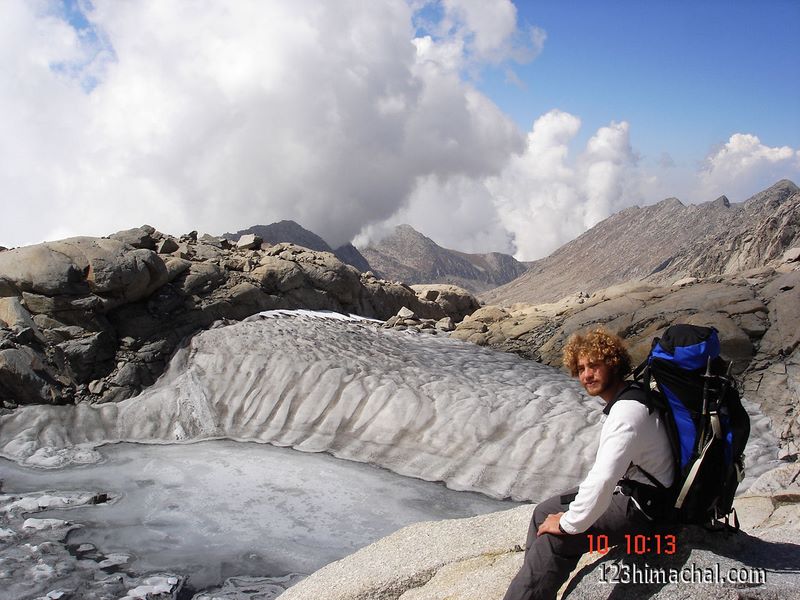
He said if the trend continued the snow-fed water sources, which
sustained life in the country, would vanish. The hydroelectric
projects would also be severely hit as a result of this. It was a
serious matter but state could not do much to ameliorate the
situation as the main factor of the melting of the glaciers was
global warming caused by green house gases released from vehicular
emission, industries and carbon fuels. The vanishing green cover
added to the problem as it reduced the capacity to absorb the
harmful gases.
This problem required a global effort and the state would take up
the issue with the Centre and urge it to initiate steps to tackle
the problem at the national level. There were reports that green
house gases would increase by 70 per cent in India over the next few
years.
The Council for Science and Technology was preparing an inventory
of snowfields and glaciers for various river basins to help generate
data for taking up remedial measures.
links
Seven
Lakes of Dhauldhar Hills
